L'Inde serait en train de conclure un accord commercial en plusieurs phases avec les États-Unis. - Phase 1 (avant juillet) : accord limité couvrant l'accès au marché des produits industriels, de certains produits agricoles et l'assouplissement des barrières non tarifaires, telles que les normes de contrôle qualité.
L'Inde serait en train de conclure un accord commercial en plusieurs phases avec les États-Unis. - Phase 1 (avant juillet) : accord limité couvrant l'accès au marché des produits industriels, de certains produits agricoles et l'assouplissement des barrières non tarifaires, telles que les normes de contrôle qualité.
L'Inde serait en train de conclure un accord commercial en plusieurs phases avec les États-Unis. - Phase 1 (avant juillet) : accord limité couvrant l'accès au marché des produits industriels, de certains produits agricoles et l'assouplissement des barrières non tarifaires, telles que les normes de contrôle qualité.
L'Inde est un important fournisseur de riz pour les pays africains, une part importante de ses exportations de riz étant destinée au continent. En 2023, l'Afrique représentait un pourcentage important des exportations indiennes de riz non basmati et étuvé. Plus précisément, le riz indien représentait plus de 60 % des importations de riz dans 17 pays africains et plus de 80 % dans neuf d'entre eux en 2023. Les exportations de riz de l'Inde vers l'Afrique comprennent à la fois des variétés basmati et non basmati, le riz non basmati étant particulièrement important pour de nombreux pays africains.
Enflammez la révolution de l\inclusion financière en Afrique et dans la diaspora ! SUREBANQA, une TechFin innovante qui construit un écosystème omnicanal social, commercial et financier, comblant le fossé entre la diaspora et l'Afrique pour un développement durable. Pourquoi vous devez soutenir SUREBANQA ? Impact social et économique majeur Contribuez directement à la réduction de la pauvreté, à la promotion du travail décent et à la réduction des inégalités (ODD 1, 8, 10 ). Un marché massif et mal desservi : 57% de la population adulte africaine est non bancarisée, et plus de 100 milliards de dollars US sont envoyés chaque année par la diaspora, souvent non dirigés vers des investissements productifs. Des solutions technologiques de pointe : SUREBANQA exploite la Blockchain, l'IA, l'IoT, la 5/6G et la Réalité Augmentée/Virtuelle pour ses solutions. Un écosystème complet : * **LOOP (HyperApp) : Un hub tout-en-un pour le réseau social, le commerce sécurisé, les transferts d'argent instantanés, les paiements multidevises et les services bancaires. * **QikQik+ (Rails financiers illimités) : Paiements transfrontaliers ultra-rapides, solutions bancaires intégrées (Scan-2-Pay, cartes de débit virtuelles) et gestion financière simplifiée. * **VIIVOO (Visioconférence rentable) * Une plateforme de visioconférence riche en fonctionnalités pour la connexion et l'éducation financière. * **LOOPCASH & KINDRED CITY+ * Initiatives d'argent intelligent programmable et de modernisation de l'agriculture avec des technologies avancées.
* **Traction et validation prouvées * Plus de 10 000 utilisateurs, conformité réglementaire (ESM agréée par le CANAFE depuis 202, partenariats stratégiques (DCBank, Stripe, Flutterwave) et des projections ambitieuses de 5 à 10 millions d'utilisateurs d'ici 2026.
* **Une opportunité d'investissement stratégique * Potentiel de rendements annuels de 15 % à 28 % avec une maturité courte de 12 à 18 mois. Des bonus exceptionnels pour les investissements plus importants.
Votre investissement permettra d'améliorer l'expérience utilisateur, d'accélérer l'adoption massive via les applications mobiles et de renforcer l'avantage concurrentiel.
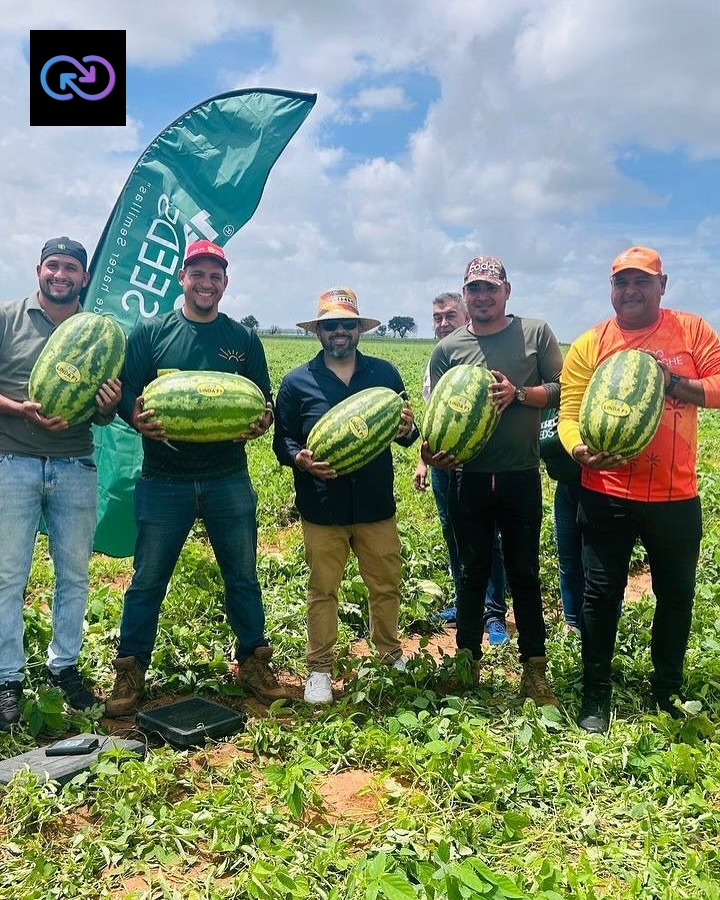
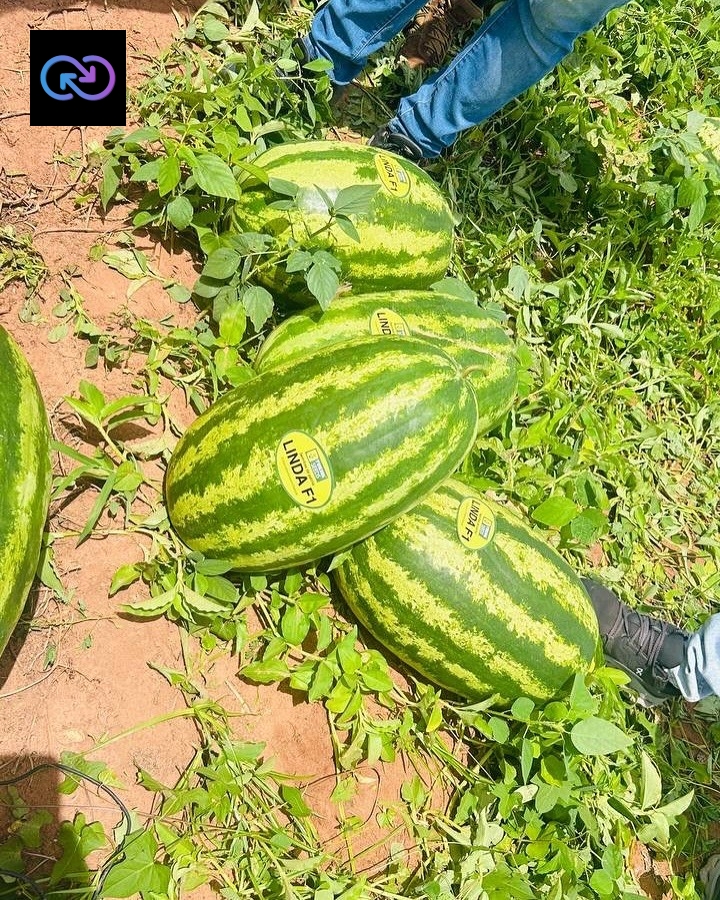
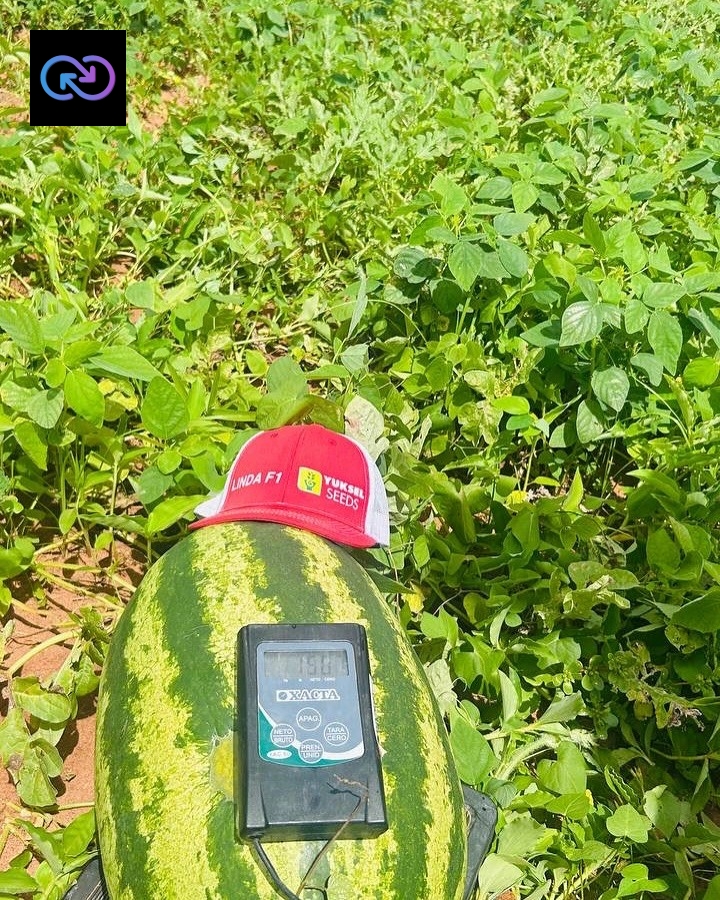
La Tunisie produit entre 400 000 et 540 000 tonnes de pastèque par an, ce qui en fait une importante culture fruitière d'été. Considérée comme économiquement importante, elle couvre environ 15 % des surfaces maraîchères du pays et se classe au deuxième rang des cultures maraîchères en termes de superficie.
La Tunisie produit entre 400 000 et 540 000 tonnes de pastèque par an, ce qui en fait une importante culture fruitière d'été. Considérée comme économiquement importante, elle couvre environ 15 % des surfaces maraîchères du pays et se classe au deuxième rang des cultures maraîchères en termes de superficie.
La Tunisie produit entre 400 000 et 540 000 tonnes de pastèque par an, ce qui en fait une importante culture fruitière d'été. Considérée comme économiquement importante, elle couvre environ 15 % des surfaces maraîchères du pays et se classe au deuxième rang des cultures maraîchères en termes de superficie.
La Tunisie produit entre 400 000 et 540 000 tonnes de pastèque par an, ce qui en fait une importante culture fruitière d'été. Considérée comme économiquement importante, elle couvre environ 15 % des surfaces maraîchères du pays et se classe au deuxième rang des cultures maraîchères en termes de superficie.
Like
Comment
Share
Showing 148 out of 579
Comment reported successfully.
Post was successfully added to your timeline!
You have reached your limit of 1000000 friends!
File size error: The file exceeds allowed the limit (9 GB) and can not be uploaded.
Your video is being processed, We’ll let you know when it's ready to view.
Unable to upload a file: This file type is not supported.
We have detected some adult content on the image you uploaded, therefore we have declined your upload process.
Share post on a group
Share to a page
Share to user
Your post was submitted, we will review your content soon.
To upload images, videos, and audio files, you have to upgrade to pro member. Upgrade To Pro
Edit Offer
Add tier
Delete your tier
Are you sure you want to delete this tier?
Reviews
In order to sell your content and posts, start by creating a few packages. Monetization
Pay By Wallet
Delete your address
Are you sure you want to delete this address?
Remove your monetization package
Are you sure you want to delete this package?
Unsubscribe
Are you sure you want to unsubscribe from this user? Keep in mind that you won't be able to view any of their monetized content.
Remove your monetization package
Are you sure you want to delete this package?
Payment Alert
You are about to purchase the items, do you want to proceed?